The Rise of Indie Games: Hidden Gems You Should Play
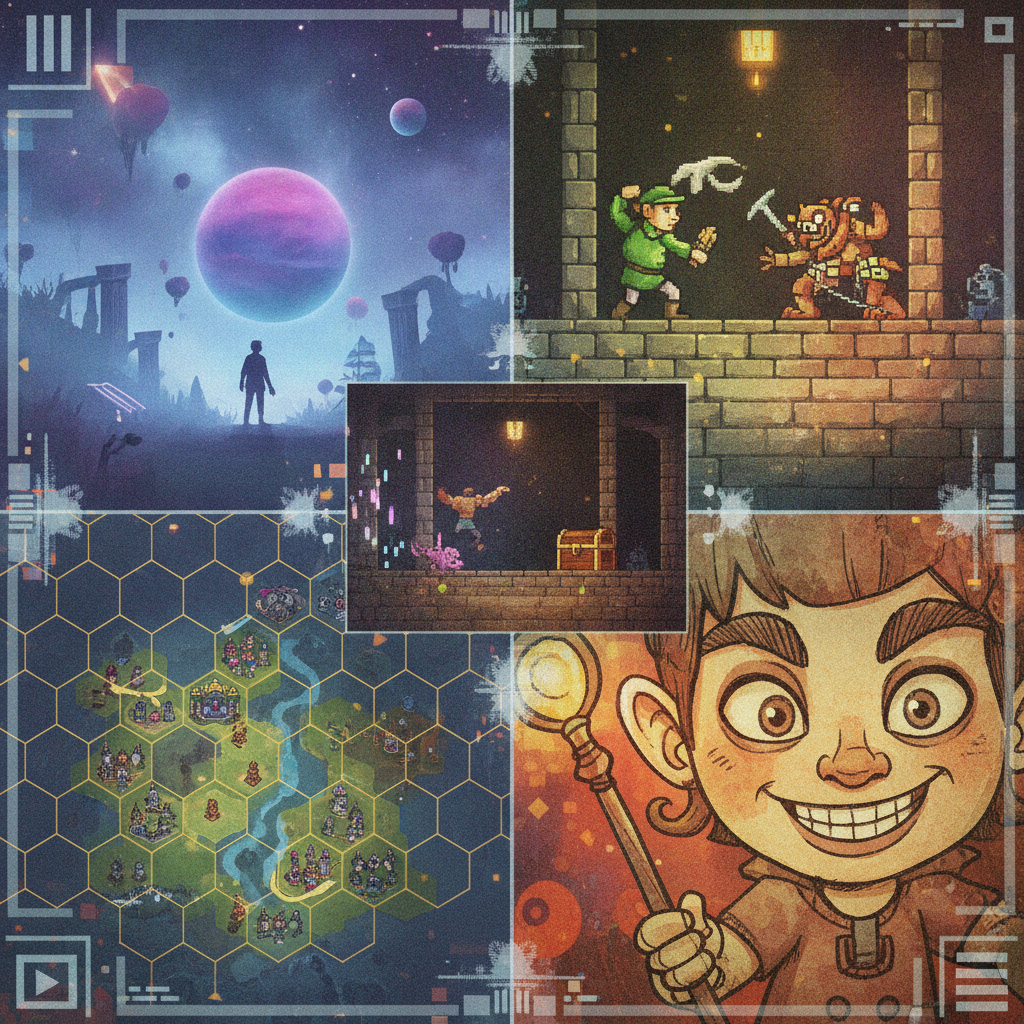
Indie games have moved from the margins of PC gaming into the center of modern game culture. Independent studios now create inventive adventures, narrative-driven games, experimental gameplay experiences, and polished genre tributes that can stand beside much larger releases.
That does not mean every small-budget game deserves your time. The appeal of indie games lies in their range: one developer may build a tense horror story, while another creates a quiet puzzle game or a strange role-playing adventure that a major publisher might never approve. Here is why the scene is growing, which hidden gems deserve attention, and how to choose your next download without filling your backlog blindly.
Why Indie Games Are Having a Moment
Indie games are gaining popularity because smaller teams can take creative risks, respond quickly to player interests, and explore ideas that do not fit blockbuster formulas. Digital storefronts such as Steam and the Nintendo eShop have also made it easier for independent studios to reach players worldwide.
Modern indie game development benefits from accessible tools, affordable digital distribution, and online communities that can spread a promising trailer or demo rapidly. A focused team can build a game around one strong idea instead of designing for every possible audience.
Players are also looking for experiences that feel personal. A compact narrative-driven game may deliver a memorable story in six hours, while a tightly designed platformer can make every movement feel deliberate. These games often respect the player’s time, although some still favor demanding difficulty or unusual pacing.
Visibility remains difficult. Thousands of games arrive on Steam and consoles each year, and many excellent releases disappear beneath algorithmic recommendations. That is why the term hidden gem matters: it usually describes a game with a distinctive identity and a smaller audience, rather than an undisputed masterpiece.
What Makes an Indie Game Different?
The main difference is development scale and creative control: indie games are typically made by individuals or independent studios without the financial structure and approval layers of a major publisher.
Smaller teams do not automatically produce better ideas, but they can make decisions differently. A creator might replace a conventional combat system with dialogue choices, environmental puzzles, or a mechanic that changes as the story develops. That freedom often leads to unusual combinations of genres.
Personal stories and strong design identities
Independent games frequently reflect the experiences, interests, and artistic preferences of their creators. Some use minimalist sound and color to create intimacy. Others lean into bold pixel art, hand-drawn animation, or deliberately rough visual styles. The presentation may be modest, yet the game can still feel carefully authored.
There are trade-offs. Smaller teams may struggle with testing, accessibility options, voice acting, localization, or technical performance across platforms. Choosing an indie title for its originality means accepting that its edges may be less polished than those of a large-budget release. For many players, that roughness is part of the charm; for others, it can become a real barrier.
Hidden-Gem Indie Games Across Different Genres
The best hidden-gem indie games offer a clear reason to play, whether you want exploration, precise movement, strategic planning, fear, or role-playing depth. The recommendations below favor distinctive experiences that are less routinely discussed than the biggest indie hits.
Adventure and narrative-driven games
- Heaven's Vault: This archaeological adventure lets you explore a river-based world and translate an ancient language. Its story changes according to what you discover, making curiosity the central mechanic.
- Norwood Suite: Set inside a surreal hotel, this first-person mystery rewards observation rather than combat. Its strange music, dreamlike rooms, and fragmented narrative create an experience that feels closer to interactive art than a conventional adventure.
- Wide Ocean Big Jacket: This short narrative game follows a group of characters on a camping trip. Its small scale, conversational writing, and gentle humor make it a good choice when you want a story that can be completed in one sitting.
Platformers and experimental gameplay
- ElecHead: You control a small robot whose body conducts electricity. The simple premise produces clever puzzles and satisfying discoveries without overwhelming the player with tutorials.
- Webbed: This cheerful platformer gives a spider a web-swinging movement system that feels playful and surprisingly expressive. It suits players who enjoy exploration and physics-based traversal.
- Supraland: Its colorful first-person world combines platforming, puzzles, and light combat. The design constantly encourages you to revisit earlier areas with new abilities, rewarding players who enjoy experimentation.
Strategy and role-playing games
- Slipways: This streamlined strategy game asks you to connect planets and build a functioning space network. Its short scenarios make it easier to enjoy than a traditional grand strategy game, though planning mistakes can still punish careless decisions.
- Crystal Project: Fans of classic role-playing games will find open-ended exploration, turn-based battles, and extensive character customization. It deliberately removes some familiar conventions, so expect discovery rather than a heavily guided campaign.
- Wildermyth: Procedurally generated heroes develop relationships, scars, transformations, and personal histories over several campaigns. The paper-cutout presentation gives its tactical battles a storybook quality.
Horror and atmospheric games
- Signalis: This survival horror game combines oppressive atmosphere, resource management, puzzles, and a science-fiction mystery. Its pixel art supports the mood instead of merely imitating older horror games.
- Faith: The Unholy Trinity: Low-resolution visuals and sharp sound design create a disturbing retro horror experience. It is a strong pick for players who prefer tension, symbolism, and sudden shocks over elaborate graphics.
- In Sound Mind: This psychological horror adventure uses distinct environments and boss encounters to explore trauma and memory. It offers more conventional action than many small horror games, but its narrative focus keeps the experience unusual.
What to Look For When Choosing an Indie Game
Choose an indie game by matching its gameplay loop, tone, difficulty, length, and platform to the experience you want today. A five-minute trailer can show art direction, but it rarely tells you whether the controls or pacing will suit you.
A practical five-point filter
- Gameplay: Identify the repeated action. Will you explore, fight, build, solve puzzles, manage resources, or make dialogue choices?
- Commitment: Check the approximate playtime and structure. A short, linear game may fit a busy week better than a 60-hour role-playing campaign.
- Presentation: Decide whether you enjoy pixel art, minimalist visuals, hand-drawn animation, or realistic environments. Style often signals the kind of mood the game wants to create.
- Difficulty: Look for information about accessibility settings, checkpoints, adjustable modes, and whether failure is central to the design.
- Platform and feedback: Confirm current availability on PC, Steam, Nintendo Switch, or another system you own. Read recent player reviews for technical issues, controller support, performance, and save problems.
Reviews work best when you read for patterns rather than a single score. If several players mention repetitive backtracking, unstable frame rates, or unclear objectives, treat that information seriously. A mixed rating may still describe an excellent game for a very specific audience.
Why Indie Games Deserve More Attention
Indie games deserve attention because they expand what games can be, from personal storytelling and experimental gameplay to compact systems that blockbuster releases rarely attempt. They give players more than additional content; they offer different design priorities.
A large studio may need to justify a massive budget through familiar mechanics, broad market appeal, and long engagement targets. An independent team can build around a narrower question: What if a detective game focused on translating a dead language? What if a strategy game lasted twenty minutes instead of twenty hours?
That creative range benefits the wider industry. Ideas tested in small games can influence mainstream design, while independent developers gain a place to explore accessibility, unusual interfaces, local stories, and unconventional business models. Supporting these projects also means accepting that some experiments will fail. A thoughtful failure can still reveal a mechanic or perspective that polished products avoid.
How to Find More Indie Games
To find more indie games, combine storefront browsing with demos, festivals, developer pages, and recommendations from communities that share your tastes. Do not rely on the front page of a store, where visibility often favors already popular releases.
- Browse Steam by specific genres, tags, release windows, and user-defined collections rather than searching only for trending games.
- Follow independent studios and developers. Their previous projects can help you find related games before recommendation algorithms do.
- Try demos during digital festivals and platform showcases. A ten-minute hands-on test reveals more about controls than a cinematic trailer.
- Watch curated lists from specialist reviewers, but check whether the writer explains the game’s actual strengths and limitations.
- Use community recommendations on forums, Discord servers, and genre-focused groups. Ask for games with a particular mood, length, or difficulty instead of simply requesting hidden gems.
Store tags can mislead when developers use popular labels for visibility. Read the description, inspect screenshots, and check recent comments before buying. Discovery should narrow your choices, not replace judgment.
Building Your Indie Game Backlog
Build an indie game backlog by ranking each recommendation according to mood, preferred genre, available time, and gaming platform. This prevents an enormous list from becoming another source of decision fatigue.
Try a simple three-column system: play soon, play later, and maybe. Put no more than three games in the first column. Choose one immediate option for each common situation: a short narrative game for an evening, a replayable strategy game for quick sessions, and a longer adventure for weekends.
For example, pick Wide Ocean Big Jacket when you want a brief story, Slipways when you want focused strategy, or Signalis when you want atmospheric horror. If you mainly play on Nintendo Switch, filter your list by verified platform availability before getting attached to a PC-only title. Revisit the backlog monthly and remove games that no longer match your interests.
Indie Games FAQ
What is an indie game?
An indie game is generally developed by an individual creator or independent studio operating without the full financial and production structure of a major publisher. The term describes independence, not a specific budget, visual style, or level of quality.
Why are indie games becoming more popular?
Indie games are becoming more popular because digital distribution, accessible development tools, livestreaming, and online communities help small teams reach global audiences. Players also value focused ideas and stories outside familiar blockbuster formulas.
Which platforms are best for finding indie games?
Steam is one of the broadest platforms for PC gaming and independent releases. Nintendo Switch is also popular for portable indie games, while PlayStation and Xbox regularly feature curated independent titles. Availability varies by game, so check the current store listing.
How can I find hidden-gem games?
Search by specific genre and tags, explore demos, follow developer pages, attend digital festivals, and ask communities for recommendations based on gameplay style. Recent user reviews are useful for spotting technical problems before purchase.
Are indie games suitable for casual players?
Yes. Indie games include short adventures, relaxed puzzle games, forgiving platformers, and low-pressure management titles. Check the listed difficulty, playtime, controls, and accessibility options to find a comfortable match.