Exploring the World of Esports: Major Tournaments and Rising Stars
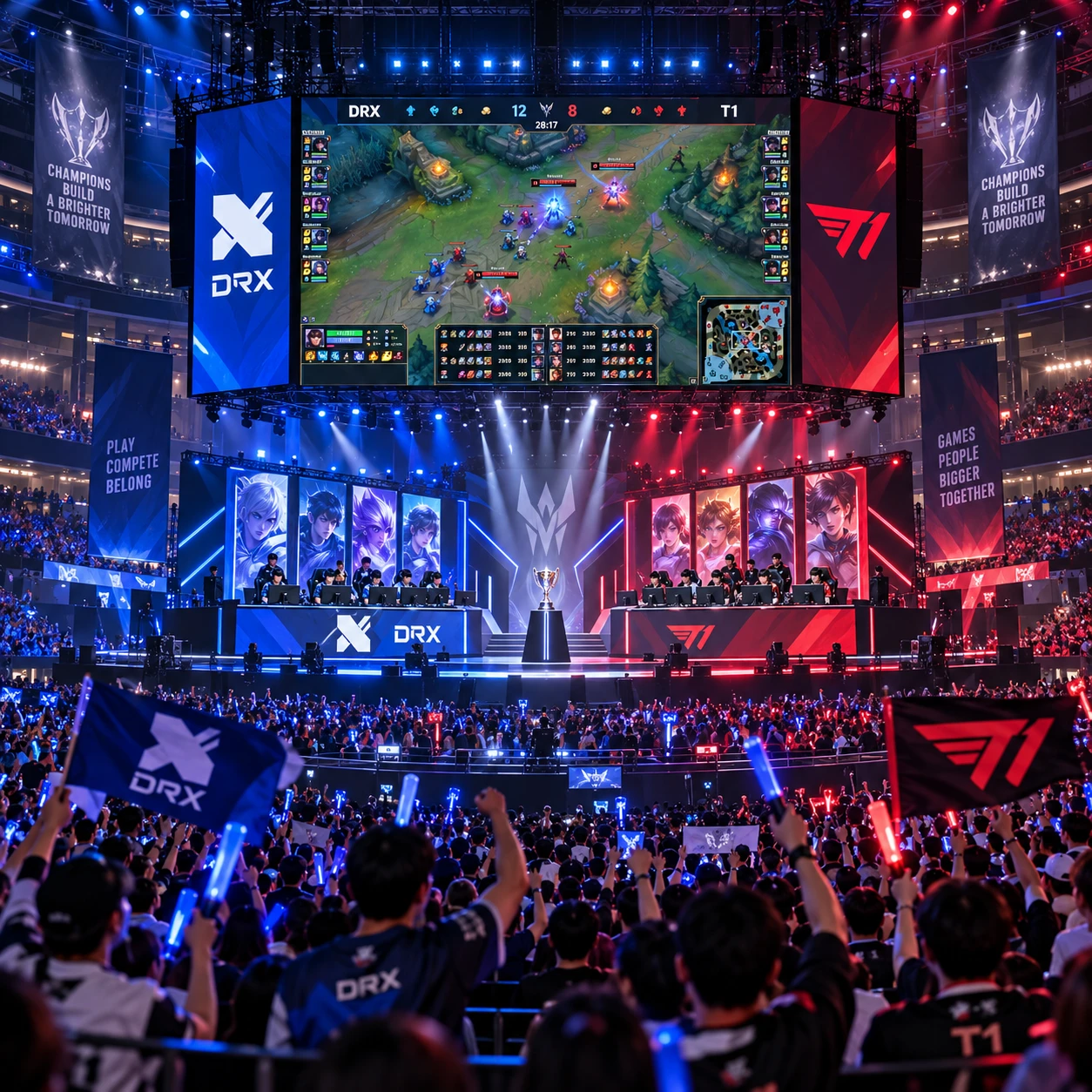
Esports brings players and fans together around organized video game competition, from weekly league matches to international championships. Each game has its own rules, teams, tournament calendar, and route to the top, so there is no single esports scene to follow.
For viewers, that variety is part of the appeal. Knowing how events work makes a championship easier to enjoy, while watching qualifiers and smaller competitions can reveal rising players before they become familiar names.
What Makes Esports Tournaments Major?
A major esports tournament brings together top competitors, meaningful stakes, and broad attention from fans. Its scale may come from international participation, a season-defining title, a strong field of professional teams, or a lasting place in a game’s competitive calendar.
Big events often have several stages. Teams or players may first compete in regional leagues or open qualifiers, then advance to playoffs and a final championship bracket. The format shapes the story: a long league rewards steady performance, while a short elimination bracket can turn one difficult match into the end of a team’s run.
Major tournaments matter beyond the result. They give players a chance to prove themselves against elite opponents, help professional teams build recognition, and create shared moments for fans. A close final or a surprising underdog run can influence how people remember an entire season.
However, visibility and prestige do not mean every event works the same way. A tournament may feature a large audience but a different qualification system or competitive significance from another event. Check the rules, participating teams, and place in the season before treating two championships as directly comparable.
The Games at the Center of Competitive Esports
League of Legends, Counter-Strike 2, Dota 2, and Valorant are leading esports titles, but their competitive scenes differ in pace, strategy, and event structure. Choosing one to follow often comes down to the kind of gameplay and tournament story you enjoy.
- League of Legends: Teams compete in regional leagues and international events. Matches center on coordinated play, map control, character choices, and objectives that build toward a decisive team fight or base attack.
- Counter-Strike 2: This tactical first-person shooter pits teams against each other in rounds where aim, positioning, communication, and economy management all matter. Events commonly include group or Swiss-style stages followed by playoffs.
- Dota 2: Teams draft distinct heroes and adapt to a complex strategy game where objectives, item decisions, and coordinated fights can change a match. Its competitive calendar includes regional competition and major international events.
- Valorant: This tactical shooter combines gunplay with character abilities. Teams need precise execution and flexible plans, while the professional circuit includes regional competition and international stages.
These distinctions affect how a viewer reads a match. A League of Legends team may build an advantage through objectives over time; a Counter-Strike 2 side might win rounds through careful utility use; Valorant can turn on how teams combine abilities; and Dota 2 rewards adaptation across a long, shifting contest.
Rules and event calendars can change between seasons. For the clearest picture, consult each game’s official esports announcements rather than assuming that a format or qualification route carries over from one year to the next.
A Guide to Major Tournament Formats
Esports tournament formats determine who competes, how teams advance, and how many losses they can survive. The main stages to recognize are leagues, qualifiers, group or Swiss stages, playoffs, and championship matches.
Leagues and qualifiers
A league is a series of matches played over a set period, often within a region. Teams earn results across multiple rounds, and those results can determine playoff places or qualification for a larger event. A league gives viewers a longer view of consistency, although one team’s schedule may make direct comparisons tricky.
Qualifiers decide who reaches the main tournament. Some are open to a broad field; others are limited by region, ranking, or earlier results. Qualifiers are useful for spotting emerging players because lesser-known teams may face established professionals early in their careers.
Groups, Swiss stages, and playoffs
In a group stage, teams are split into smaller pools and play within those groups. A Swiss stage pairs teams with similar records over several rounds, usually without requiring every possible matchup. Both formats can provide more opportunities to recover from one loss than a single-elimination bracket.
Playoffs narrow the field, often through best-of series. In single elimination, one defeat ends a team’s run; in double elimination, teams get a second path through a lower bracket. Finals usually settle the championship, but the route there matters: a team’s opponent sequence and series results offer useful context.
When you open a tournament schedule, look for three details: match length, advancement rules, and whether a loss eliminates a team. That quick check makes bracket results easier to interpret and helps explain why some events favor sustained consistency while others reward a short burst of strong play.
How Rising Stars Break Through
Rising esports players typically build recognition through strong ranked play, amateur competition, and opportunities with professional teams. There is no guaranteed ladder from online success to a career; players also need to show that their skills transfer to structured team play.
Ranked modes can help players develop mechanics and compete against strong opponents, but individual rank is only an early signal. Amateur tournaments, community leagues, school or regional competitions, and open qualifiers give players a chance to demonstrate communication and decision-making under match conditions.
Scouting can follow. A professional team may invite a standout player to scrim, join a development roster, or compete in a lower division. Strong performances can lead to a trial or a place on a main roster. The path varies by game, region, and organization, and some talented players build experience for years before reaching a major stage.
Esports careers also demand more than winning. Players need practice habits, collaboration, resilience, and an understanding of feedback. The trade-off is real: a competitive career can be demanding and uncertain, and success in one title does not automatically transfer to another. Players considering the path should balance training with education, health, and realistic career planning.
For fans, a helpful signal is progress across different levels of competition. A player who performs well in a local event, adapts in an open qualifier, and holds up against experienced opponents has shown more than a single impressive highlight.
What to Watch for in an Emerging Player
An esports rising star shows more than raw skill: look for consistency, adaptability, teamwork, and sound decisions under pressure. These traits help distinguish repeatable performance from a memorable but isolated play.
- Skill: Watch mechanics suited to the game, such as aim in Counter-Strike 2 or Valorant, precise ability use, or strong execution in a League of Legends or Dota 2 team fight.
- Consistency: Notice whether the player contributes across multiple maps or matches, including when the team is behind. One standout round is exciting; repeated impact is more informative.
- Adaptability: See how they respond when opponents change tactics, deny a preferred strategy, or force a difficult matchup.
- Teamwork: Listen for useful communication and watch for coordination, role discipline, and decisions that create opportunities for teammates.
- Composure: Pay attention to choices late in close matches. Calm positioning or a timely call may matter more than a flashy attempt.
Context matters. A player’s role, opponents, team strategy, and match situation all affect the numbers and highlights viewers see. Avoid calling someone a future champion based on one tournament; describe the evidence instead, such as strong results across qualifiers or improved play against higher-level teams.
How to Follow Esports and Discover New Talent
You can follow esports by tracking official schedules, watching full matches or highlights, and checking tournament results alongside team and player news. A simple routine helps you stay informed without needing to follow every game at once.
- Pick a game first. Start with League of Legends, Counter-Strike 2, Dota 2, or Valorant, then learn its main league and championship events.
- Use official sources. Check the game publisher, tournament organizer, or professional league for schedules, format changes, brackets, and match results.
- Follow teams and qualifiers. Team channels and event coverage can point you toward roster changes, academy teams, and players advancing from open competition.
- Watch with a question in mind. Track one player’s decisions, a team’s adaptation, or how a series changes after a tactical adjustment. This makes unfamiliar matches easier to follow.
- Compare performances over time. Keep a short list of players who repeatedly stand out across matches, rather than relying on a single clip or social media post.
Official broadcasts are usually the most reliable way to understand the live event, while community discussions can offer useful analysis and context. Treat rumors and early predictions cautiously, especially around roster moves or player rankings. Schedules can shift, and a new player’s rise is clearer in hindsight than in a headline.
Esports is easiest to explore one scene at a time. Learn a game’s format, follow a team through a full event, and watch how promising players perform when the stakes rise. That approach turns a packed tournament calendar into a set of stories you can actually follow.